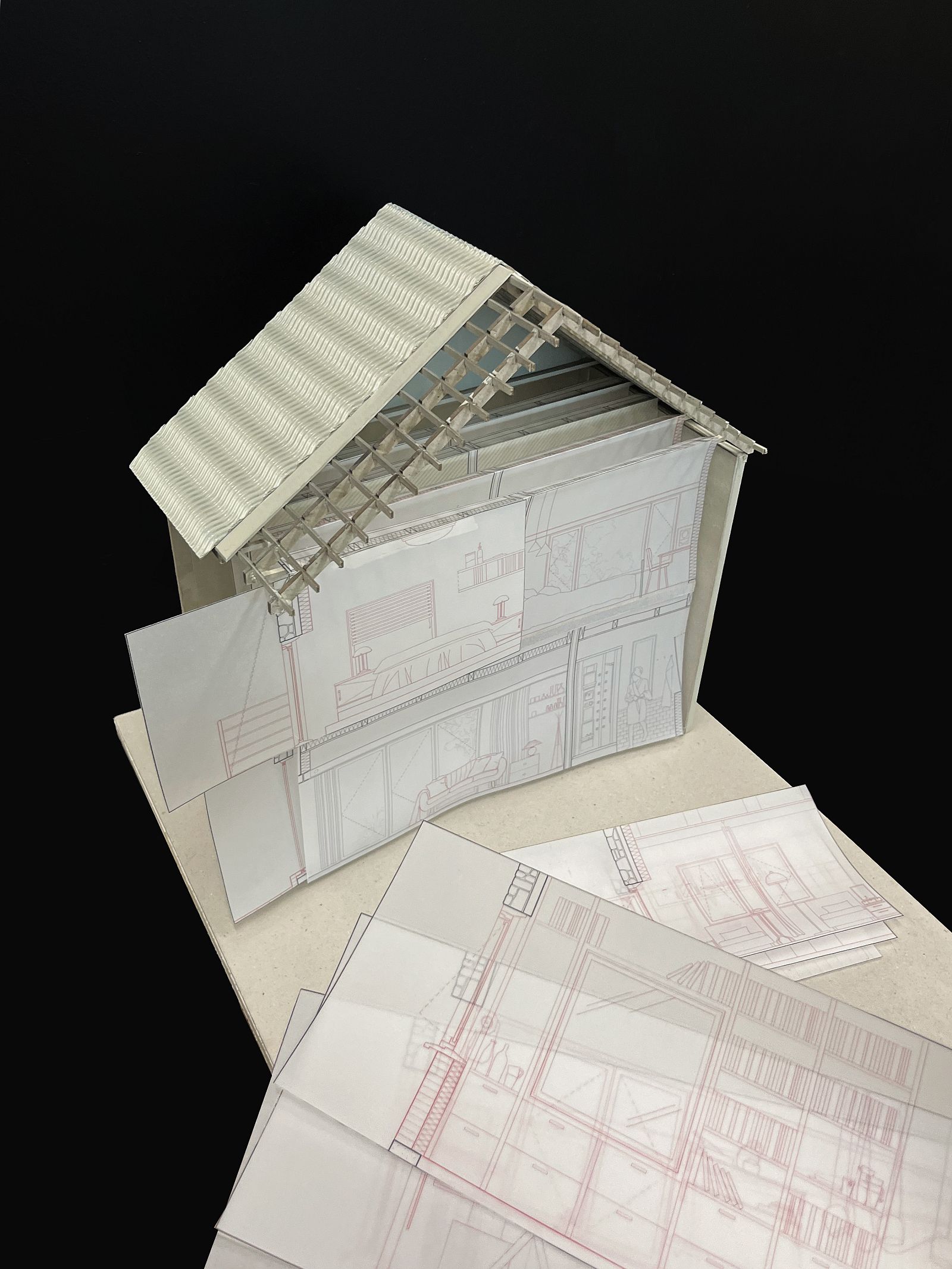
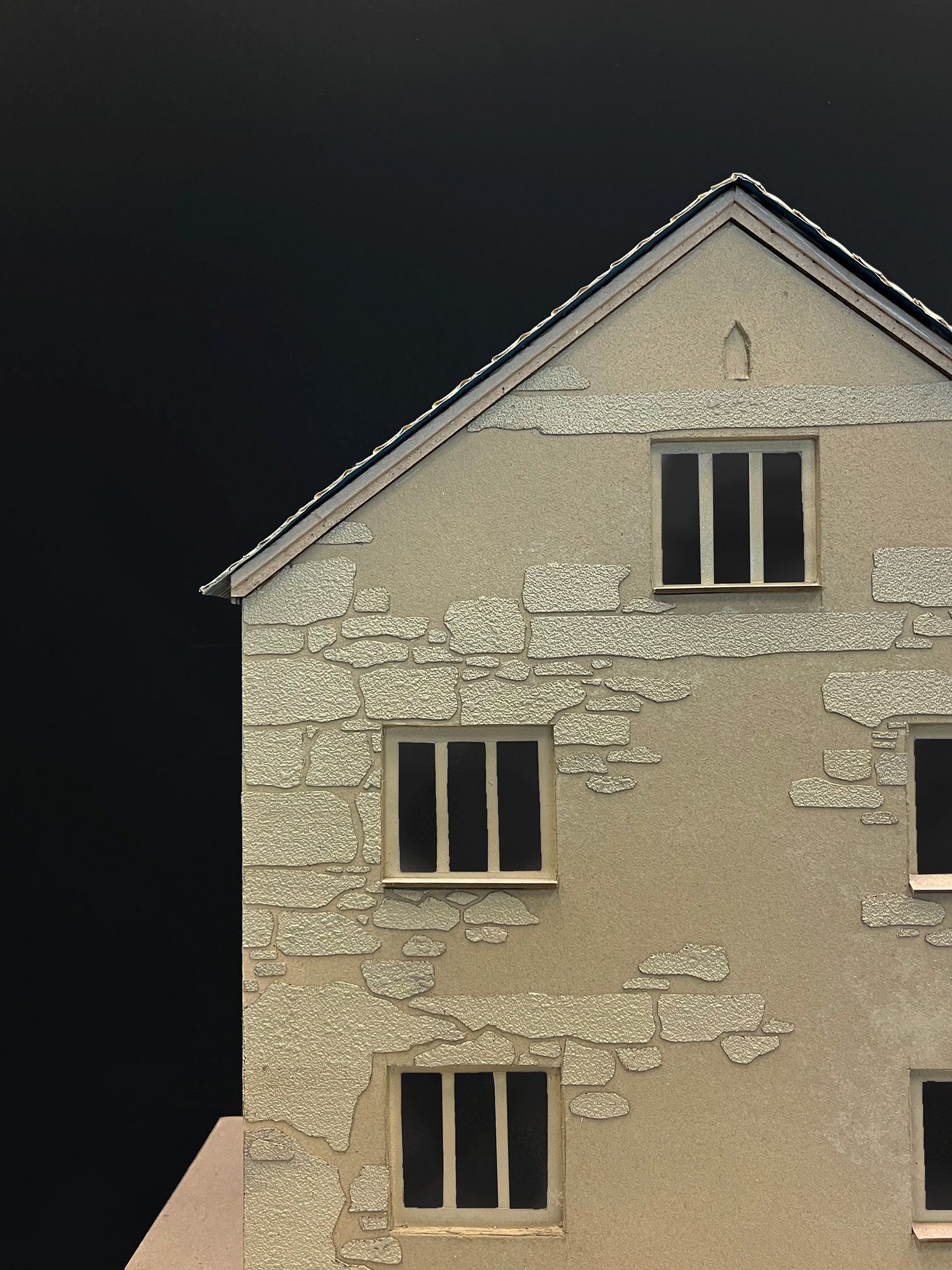
This case study building originates from a trend in Slovenia that lasted between 1960 and 1980, where families designed and built their own homes. Communities of around 14 people would get together and construct collectively. These houses were large “because it was possible back then“, most following a similar floor plan and designed for multigeneration living. As the cultural landscape changed with political trends of privatisation, the typology struggled to adapt. Younger generations moved away, leaving behind houses that are too large for their ageing owners. SKST (CommonGround) seeks to act as a bridge between past and present, guiding existing owners and new residents together towards better modes of living.
The project is a voluntary support program, aimed at local communities and offering ground-up professional advice. It assists participants in navigating the National Housing Fund, providing economic opportunities for renovation, subdivision, and shared-use adaptations, while reducing ownership complications. Through one-on-one consultations, legal and policy guidance, and spatial strategies, SKST helps residents understand recent policy adjustments and how they expand the practical meaning of the Right to Housing in Slovenia. New forms of cohabitation transform oversized private homes into common ground for mutual support, affordability, and a continuation of a typology emblematic of community practice.