Poland is facing a persistent housing crisis characterized by poor building conditions, high overcrowding rates, and a structurally low capacity of state-owned social housing. Large parts of the residential stock are aging, spatially inflexible, and unable to absorb demographic or crisis-related pressure. Despite these conditions, public expenditure to structurally address housing shortages remains limited, and responsibility is fragmented across administrative levels.
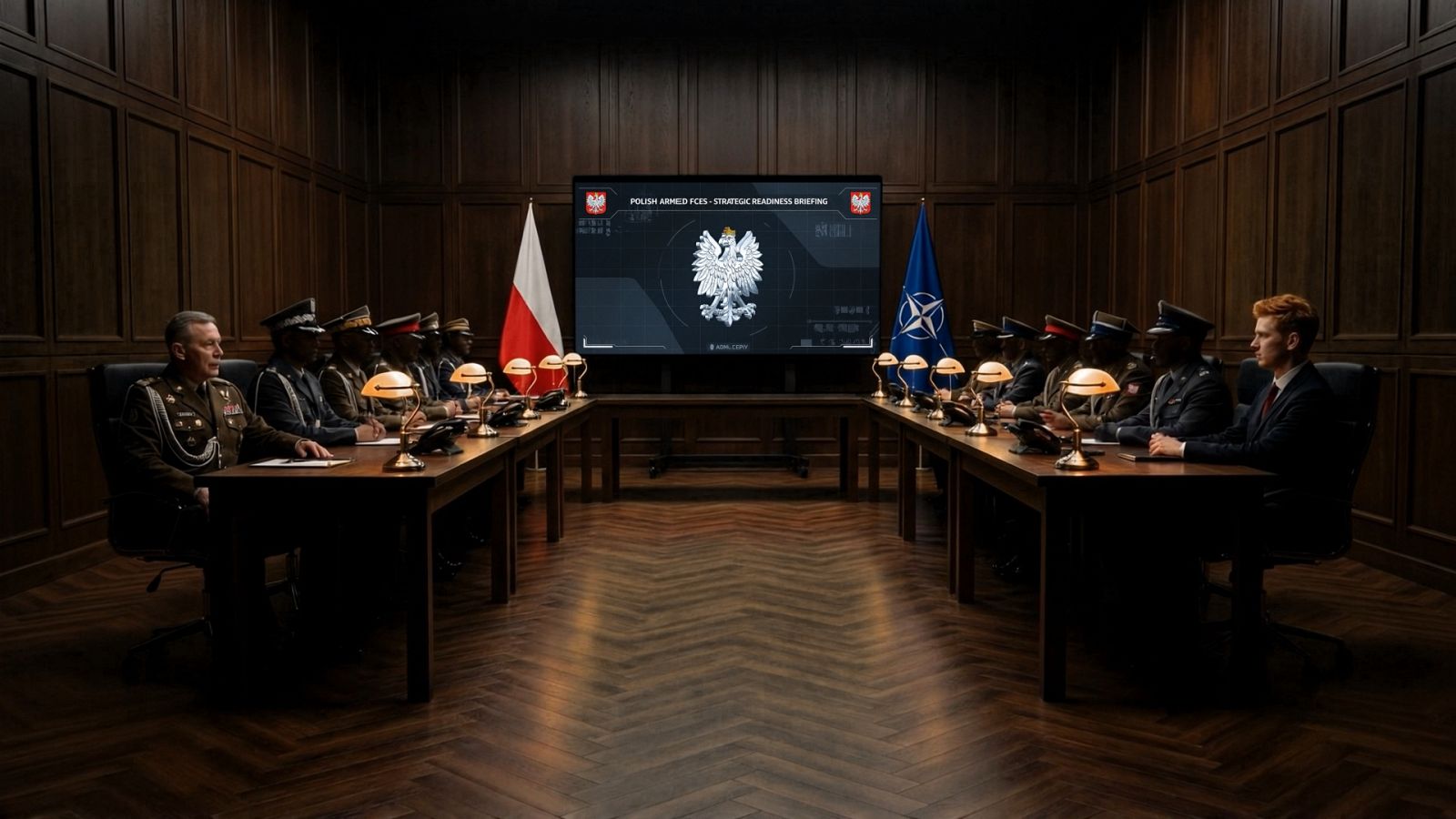
At the same time, Poland demonstrates an exceptional willingness to invest in national defence. With the highest defence spending relative to GDP within NATO, substantial financial resources are being mobilized for security and strategic preparedness. These two sectors, housing and defence, currently operate in isolation, despite addressing overlapping questions of civilian resilience, territorial stability, and crisis readiness.
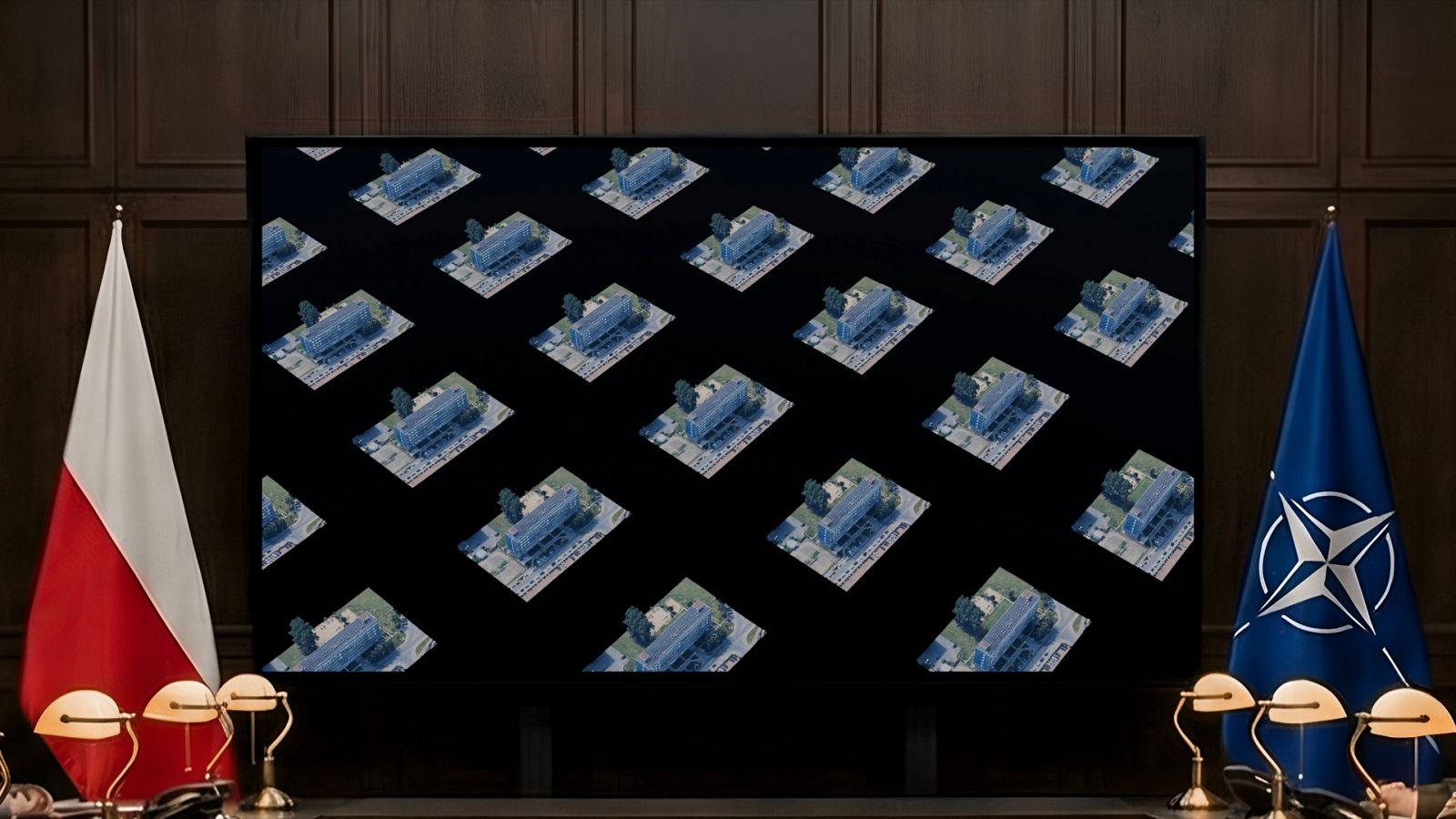
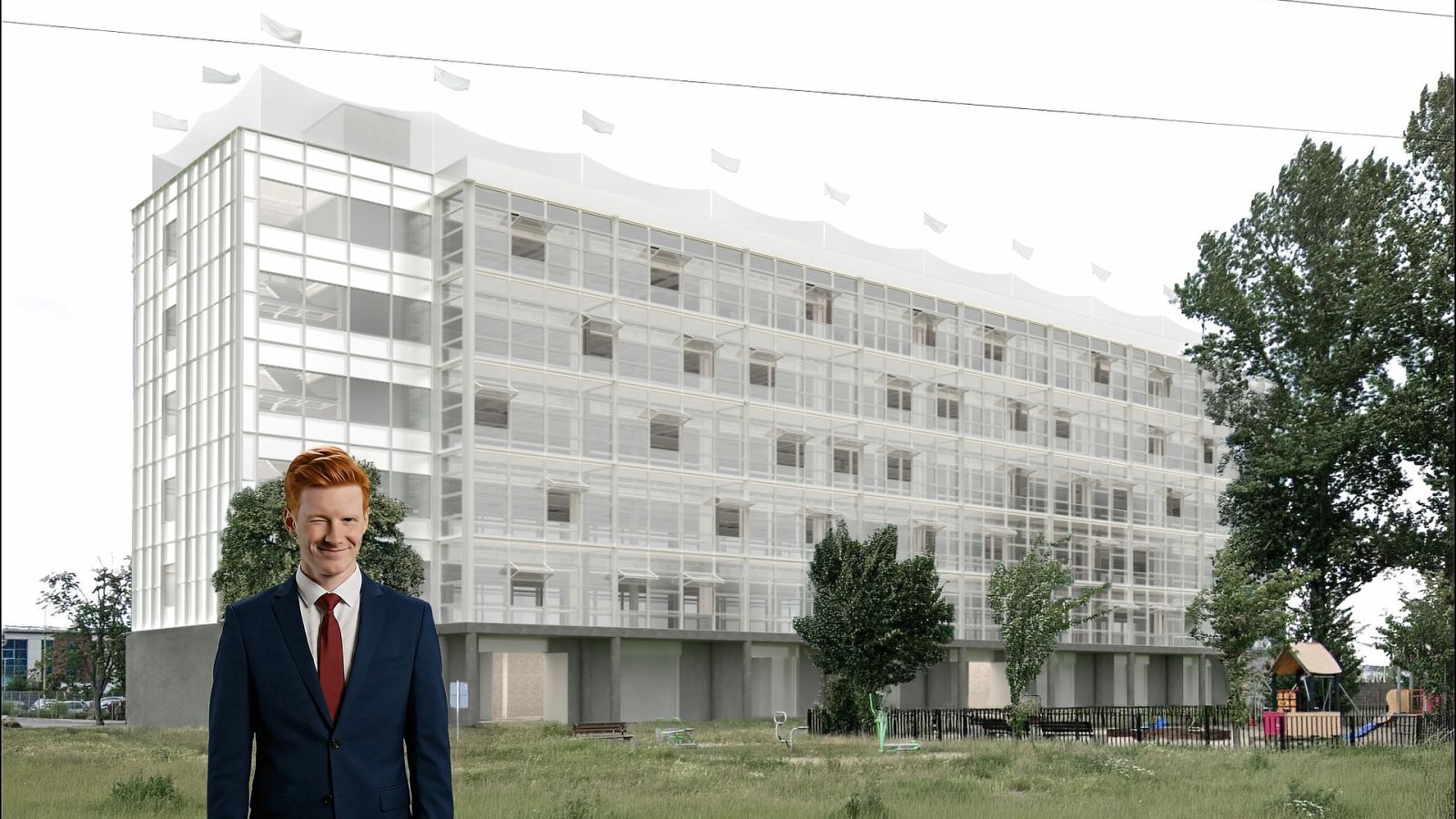
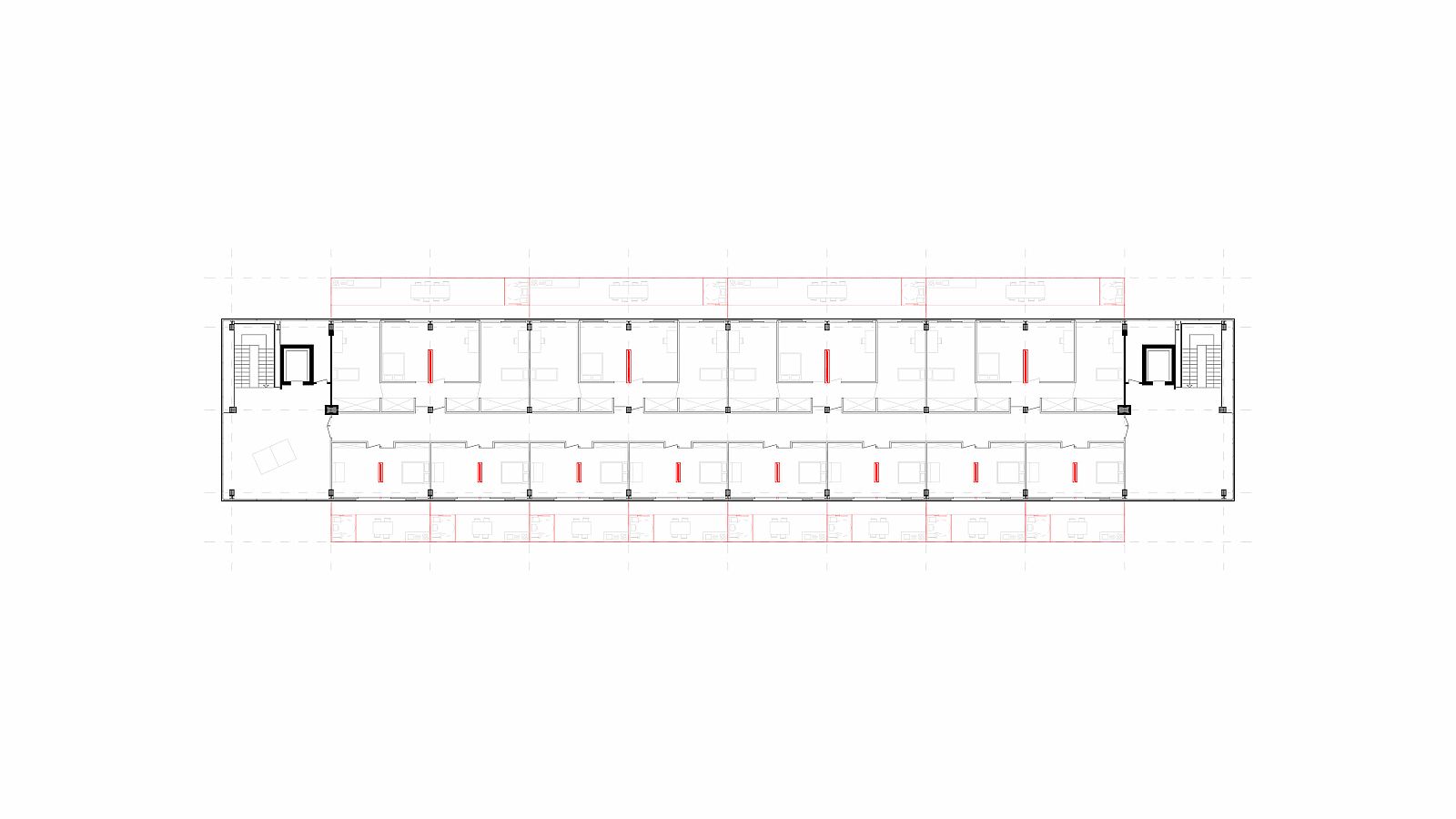
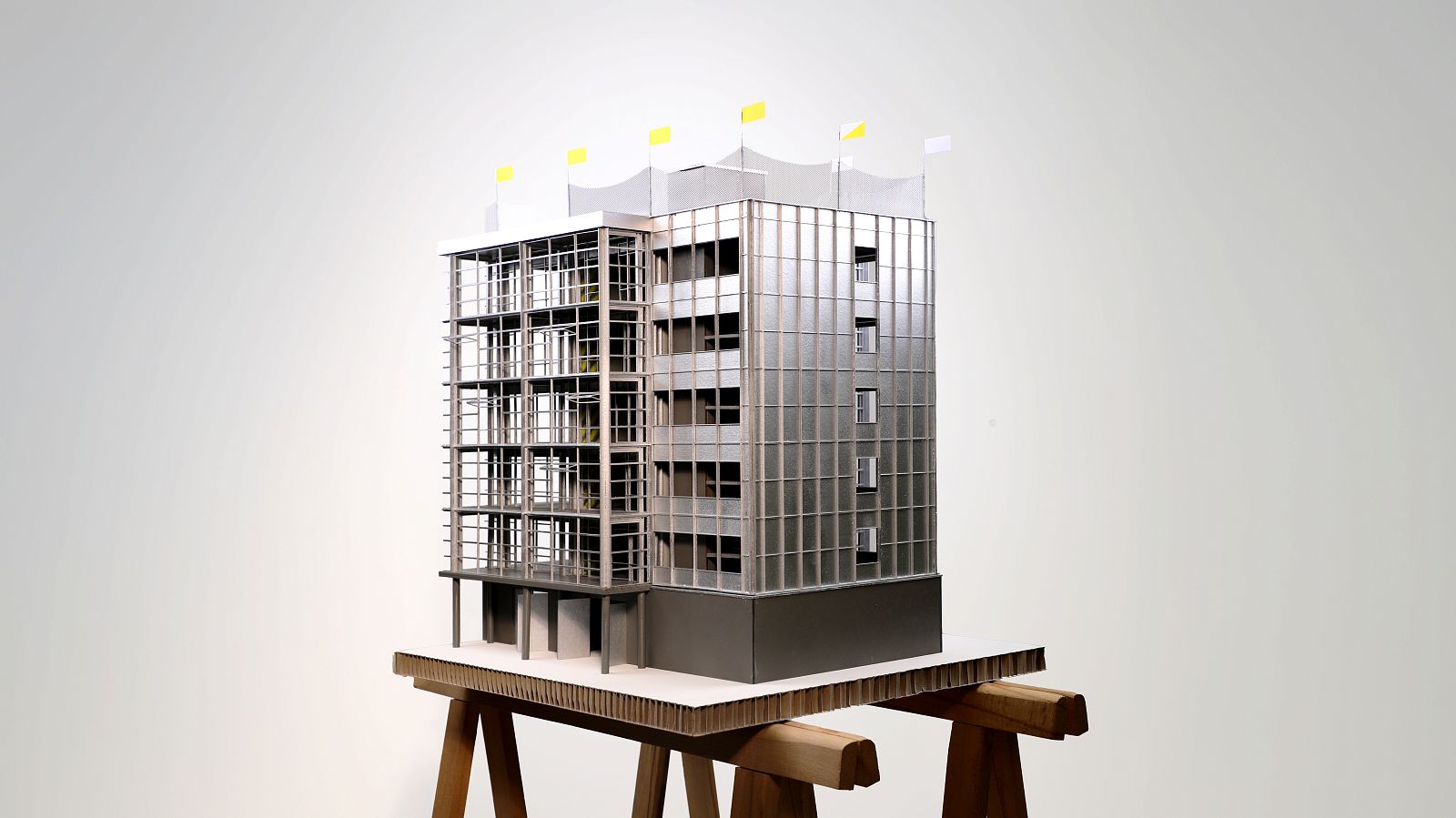
The project proposes to connect these fields through a new programmatic framework that redefines selected state-owned housing as dual-use infrastructure. A 1970s steel-frame residential series serves as a case study: through targeted structural extensions and adaptive densification, the buildings gain additional living space in peacetime while being prepared for controlled capacity shifts in emergencies. Defence funding enables the transformation, while civilian housing standards are improved without additional rental burden.
By addressing responsible state and defence institutions directly, the project reframes housing not as a purely social expense, but as a strategic component of national resilience, linking spatial policy, defence investment, and crisis preparedness within a single, operational framework.